luminus模版生成的项目中断点无效
luminus模版生成的项目中断点无效
描述
有些同学提到Clojure项目中, 设置断点后无效, 所以尝试复现这个问题.
重现
创建一个全新的后台服务开始
lein new luminus debug-test +service默认生成的模版项目中, 在/plus这个路由下挂载的函数, 增加debug
#dbg
(defn plus [x y]
  (debug "plus working....")
  (+ x y))
手动eval这个函数后通过swagger测试plus接口, 确实没有断住.
问题分析
不要慌
事必有因
从原理出发
函数是一个java对象, 此对象实现了IFn接口, 以inc函数为例
(ancestors (class inc))

=> #{java.lang.Runnable
     clojure.lang.IObj
     java.io.Serializable
     java.util.concurrent.Callable
     clojure.lang.IFn
     clojure.lang.AFn
     java.util.Comparator
     java.lang.Object
     clojure.lang.AFunction
     clojure.lang.Fn
     clojure.lang.IMeta}
在repl里我们能看到这个对象, 对象的toString能看到该对象的hash值:
(defn plus [x y]
  (debug "plus working....")
  (+ x y))

(.toString plus)
=> "debug_test.routes.services$plus@7af7a9d"
可以debug的func是一个经过特殊eval的func, 替代到默认的func版本
#dbg
(defn plus [x y]
  (debug "plus working....")
  (+ x y))

(.toString plus)
=> "debug_test.routes.services$eval24320$plus__24321@7231d787"
发现
在接口请求以后, 我们的plus函数对应的对象又变了!!
(.toString plus)
=> "debug_test.routes.services$plus@2fba93e5"
有这么一个中间件
在文件 dev_middleware.clj 中, 有这么一段:
(defn wrap-dev [handler]
  (-> handler
      wrap-reload   ;; wrap-reload 的作用是在src目录下的文件更新后, 自动relaod这个ns
      wrap-error-page
      (wrap-exceptions {:app-namespaces ['debug-test]})))
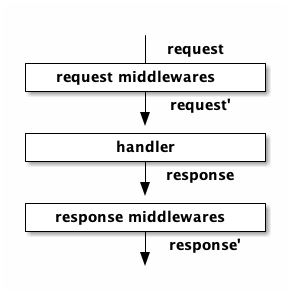
每一个http请求, 会触发wrap-reload 的源代码目录中修改文件的重新编译. 带来的好处是, 只要代码改了, 你一定能看到修改的效果. 坏处显而易见, debug 没有起到作用
(defn wrap-reload
  "Reload namespaces of modified files before the request is passed to the
  supplied handler.

  Accepts the following options:

  :dirs                   - A list of directories that contain the source files.
                            Defaults to [\"src\"].
  :reload-compile-errors? - If true, keep attempting to reload namespaces
                            that have compile errors.  Defaults to true."
  ([handler]
   (wrap-reload handler {}))
  ([handler options]
   (let [reload! (reloader (:dirs options ["src"])
                           (:reload-compile-errors? options true))]
     (fn
       ([request]
        (reload!)
        (handler request))
       ([request respond raise]
        (reload!)
        (handler request respond raise))))))
最终的答案
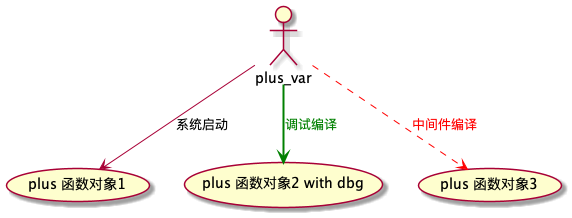
所以, 解决这个问题, 只要不触发中间件的编译就好了
- 不用中间件, 把中间件这一行删掉
- 以不触发中间件的方式(不修改文件)生成调试调试编译(debug compiling)
更深入的了解
下面的每一个小节都值得一片长文, 放在这里仅仅是个路标.
Clojure的var
(def a 1)

(type a)
;; => java.lang.Long

(type #'a)
;; => clojure.lang.Var

(symbol? 'a)
;; => false
Clojure的reader
同其他lisp一样, reader是clojure显著的一个特性, 甚至说repl就是reader的副产品
reader tag
#dbg 和 #break是cider中引入的新reader tag 就像clojure语言已经内置的几个reader tag一样:比如
- #inst : 时间的字符串表示
- #uuid : uuid字符串表示
- #? : 条件编译
@(def a
   #?(:clj "clj")
   #?(:cljs "clojurescript"))
;; => "clj"

[1 2 #?@(:clj [3 4] :cljs [5 6])]
;; => [1 2 3 4]

{:date #inst "2022-05-14T11:53:07.699-00:00"
 :uuid #uuid "2700cb34-04bc-448a-8a48-bd4f42fd2cbf" }
用reader实现一个debugger
这是来自 The Joy of Clojure 的一个例子, 读懂这个例子要理解clojure的macro.
(defn contextual-eval [ctx expr]
  (eval
   `(let [~@(mapcat (fn [[k v]] [k `'~v]) ctx)]
      ~expr)))


(defmacro local-context []
  (let [symbols (keys &env)]
    (zipmap (map (fn [sym] `(quote ~sym))
                 symbols)
            symbols)))

(defn readr [prompt exit-code]
  (let [input (clojure.main/repl-read prompt exit-code)]
    (if (= input ::tl)
      exit-code
      input)))

(defmacro break []
  `(clojure.main/repl
    :prompt #(print "debug=> ")
    :read readr
    :eval (partial contextual-eval (local-context))))
接下来我们使用这个自定义的调试器
(defn div [n d] (break) (int (/ n d)))
(div 10 0)

debug=> n
;;=> 10
debug=> d
;;=> 0
debug=> (local-context)
;;=> {n 10, d 0}
Clojure web开发
luminus 模版
非常方便的创建各色clojure/clojureScript项目 链接
ring的中间件
每一个http请求, 都会触发一些列的中间件操作
编辑器cider/calva都做了什么
以emacs为例, 快捷键 M-x cider-debug-defun-at-point 的工作
读一下cider的源代码, 就是在debug的函数外面套了个 #dbg, 没啥花里胡哨的.
(defun cider-eval-defun-at-point (&optional debug-it)
  "Evaluate the current toplevel form, and print result in the minibuffer.
With DEBUG-IT prefix argument, also debug the entire form as with the
command `cider-debug-defun-at-point'."
  (interactive "P")
  (let ((inline-debug (eq 16 (car-safe debug-it))))
    (when debug-it
      (when (derived-mode-p 'clojurescript-mode)
        (when (y-or-n-p (concat "The debugger doesn't support ClojureScript yet, and we need help with that."
                                "  \nWould you like to read the Feature Request?"))
          (browse-url "https://github.com/clojure-emacs/cider/issues/1416"))
        (user-error "The debugger does not support ClojureScript"))
      (when inline-debug
        (cider--prompt-and-insert-inline-dbg)))
    (cider-interactive-eval (when (and debug-it (not inline-debug))
                              (concat "#dbg\n" (cider-defun-at-point)))
                            nil
                            (cider-defun-at-point 'bounds)
                            (cider--nrepl-pr-request-map))))